
K–5 reading tutoring covering phonics, fluency, and comprehension. Your child works with the same dedicated tutor every session — live, 1-on-1 — so skills build in the right sequence from the start.


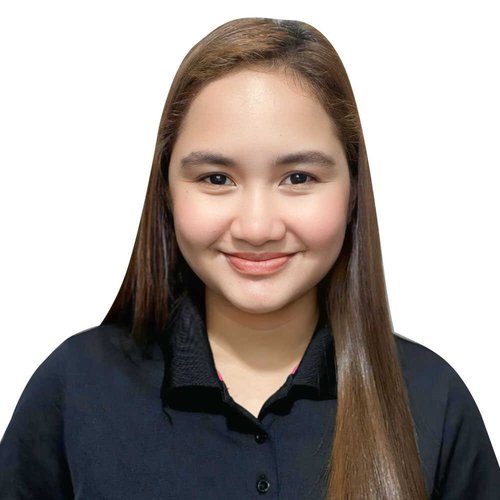
Jessa is a Licensed Professional Teacher with a Bachelor's degree in Secondary Education who specializes in building English confidence for elementary students. With over a year of ESL teaching experience, she has developed the ability to adapt her instruction to meet each learner's unique needs and proficiency level. Jessa creates clear, engaging lessons focused on practical communication skills that help students thrive both in and out of the classroom.
Milli S. is an experienced educator with 26 years of teaching experience in schools and teacher training colleges. She specializes in helping elementary students build strong communication skills and confidence in English. As a career-guidance professional, she brings a unique perspective to literacy instruction, helping young learners develop the skills they need for academic success and beyond.

Bryan Keith T. brings over 10 years of English teaching experience to K-5 students, with advanced training in language instruction and communication-based learning. He creates interactive, real-world focused classes that help young learners develop confidence and practical English skills. Bryan believes that learning through authentic communication creates deeper understanding, and he brings creativity and enthusiasm to every lesson.
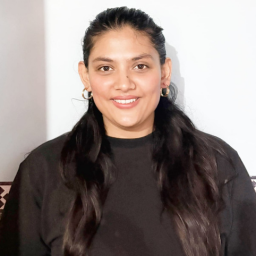
Disha has taught learners across multiple countries since 2021, offering clear, structured instruction in English and elementary math. She excels in guiding students through reading comprehension, grammar, writing, and SAT English preparation. Her warm personality and supportive approach make students feel confident from the very first lesson.

Elizabeth brings 10+ years of experience helping Grades 3–8 students thrive in both English and Math. She designs inclusive, engaging lessons that support strong reading habits, problem-solving, and critical thinking. Her warm, structured teaching style helps students feel supported and capable throughout their learning journey.

Grace E. is an experienced English and reading tutor with over six years of teaching young learners online and in classrooms. She specializes in helping students build strong language skills while boosting their confidence and communication abilities. Grace brings a unique teaching approach by incorporating sign language, allowing her to support diverse learners creatively. Her student-centered philosophy ensures each child develops not just academically, but also in motivation and self-assurance.
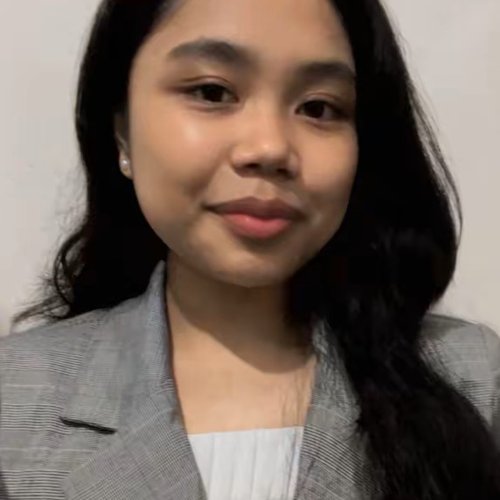
Hanisa trained as a Computer Engineer before making teaching her main pursuit — and the shift shows in how methodical she is about lesson structure while keeping sessions warm and responsive. She has ESL teaching experience and direct one-on-one tutoring experience with US-based students, making her comfortable with the specific demands of US-curriculum English and Math for K–5 learners.
Jen is a certified teacher with a bachelor's degree in secondary education who specializes in building confident English speakers. She creates engaging, fun lessons that help elementary students develop strong language skills and a genuine love for reading and writing. Jen believes every student can succeed with the right approach and encourages her learners to speak up with confidence in class and beyond.

Teacher Jhana Mae is a Licensed Professional Teacher with a passion for building strong English foundations in young learners. She creates engaging, well-structured lessons that develop reading, writing, speaking, and listening skills while keeping students confident and motivated. With a patient, nurturing approach, she ensures every child feels supported and excited to learn English.
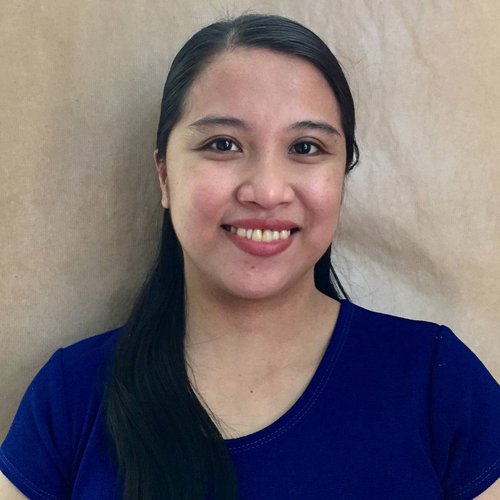
Mae Ann has taught students from preschool through high school across a wide range of settings and grade levels, and that breadth shows in how naturally she reads where each child is starting from. A Social Science Education graduate, she builds sessions that feel safe and genuinely encouraging from the very first lesson.

Maia Monica is studying law alongside her teaching career — which, it turns out, is excellent training for the precision English requires. Five years in, she has worked with learners from preschool through Business English across multiple platforms, and her sessions are known for being high-energy, structured, and genuinely productive.
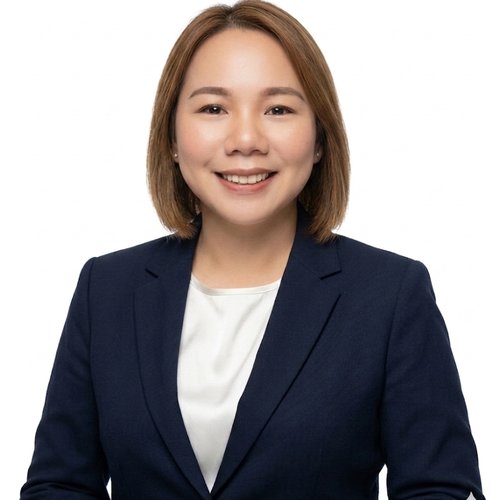
Margilou spent her first career as an accountant before trading spreadsheets for lesson plans — and her analytical background shows in how methodically she structures ESL sessions. Six years in, she's developed a play-based approach that parents consistently praise for keeping young learners genuinely engaged without sacrificing real, measurable progress.
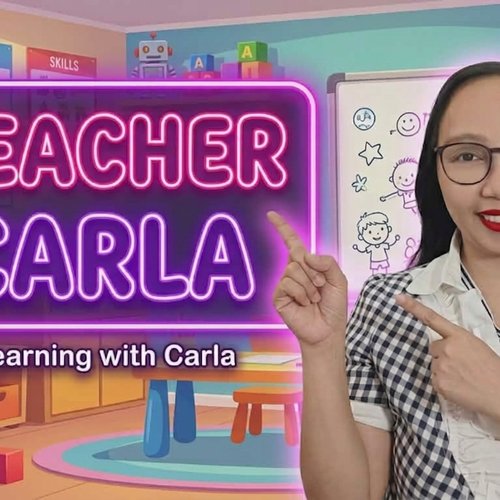
Maria Carla brings 15+ years of professional experience and high-energy teaching to elementary English. With C2 English Mastery and TESOL certification, she creates interactive, customized lessons that help K-5 students build confidence and love learning. Maria works from a dedicated, professional setup and tailors every session to parents' specific goals for their child.

Neidin S. is an English teacher with 13 years of experience specializing in early childhood literacy. She creates fun, engaging lessons using stories, songs, and simple activities to help young learners build confidence in speaking and understanding English. Her patient, friendly approach is tailored to each child's individual learning pace, making reading and language arts enjoyable for PreK and early elementary students.
Nicole is a licensed professional teacher with a Bachelor's degree in Secondary Education, graduating Cum Laude. She has taught English to students in Grades K–8 across public, private, and online schools, and was recognized as Best in Demonstration Teaching during her teacher training. Nicole creates engaging, student-centered lessons and develops creative learning materials that help young readers build confidence and master core language skills.

Padmaja is a passionate educator with years of experience teaching English to elementary students in both classroom and online environments. She specializes in creating engaging, interactive lessons that encourage curiosity and independent thinking through inquiry-based learning. Padmaja understands each child's unique strengths and focuses on building confidence and a love of learning in a supportive, inclusive classroom.
Puja S. is a passionate English educator dedicated to helping elementary learners communicate with confidence and clarity. With her engaging, student-centered approach, she makes language learning enjoyable and practical, empowering every student to speak and write English with ease and self-assurance.

Rani Maria G. is a passionate educator specializing in early literacy and phonics for young learners in PreK through Grade 5. She creates warm, engaging classrooms where children build confidence through interactive, activity-based learning tailored to each student's pace. With a focus on communication skills and independent thinking, Rani helps early readers develop strong foundations while nurturing curiosity and a love of learning.

Sarah is a passionate English tutor specializing in early literacy for PreK through 5th grade. She brings a fun, engaging approach to learning, carefully adjusting her teaching pace to match each child's needs and learning style. Sarah believes that reading and writing should be exciting adventures, and she creates personalized lessons that help young learners build confidence and a genuine love for language.

Shifau is a dedicated educator specializing in elementary English and Math for grades K-5. With training in classroom management, inclusive education, and 21st-century teaching strategies, she creates engaging, student-centered lessons that build confidence and improve academic performance. Her TEFL certification and experience with learners ages 8-14 enable her to adapt instruction to each student's needs and learning style.

Sneha A. is an educator, writer, and published author who brings a unique perspective to elementary English instruction. With experience tutoring diverse learners and a background in healthcare, she combines academic expertise with a genuine passion for understanding how children learn. Sneha creates engaging, personalized lessons that inspire young readers and writers to develop confidence in their language skills.

Taofeekat is an experienced K–5 English and math tutor with over five years of teaching diverse learners across different proficiency levels. She holds a B.Ed in English Education and specializes in building strong reading, writing, and foundational math skills through engaging, student-centered lessons. Her supportive and interactive approach is tailored to each child's unique learning needs.

Zeba K. is a dedicated English tutor with over a decade of experience teaching elementary students in both classroom and online settings. She specializes in phonics and foundational language skills, with a proven ability to build student confidence and adapt lessons to different learning styles. Zeba focuses on helping young learners develop strong reading and writing foundations through clear, engaging instruction.
An online reading tutor for grades K–5 targets three foundational skills: phonics (decoding print into sound), fluency (reading accurately and at pace), and comprehension (constructing meaning from text). Tutors identify exactly which skill is breaking down and rebuild it so students enter middle school ELA ready for literary analysis.
Common K–5 reading struggles fall into three categories: phonics (K–1), fluency (Grades 2–3), and inference (Grades 4–5). Each requires a specific diagnostic and targeted intervention.
| Skill | Definition | Observable Struggle | Tutor Fix |
|---|---|---|---|
| Decoding | Translating printed letters into spoken sounds. | Guesses words based on the first letter or pictures. | Nonsense-word blending and phonics drills. |
| Fluency | Reading accurately and at pace with expression. | Decodes every word correctly but reads so slowly comprehension collapses. | Repeated oral reading with rate and accuracy tracking. |
| Comprehension | Constructing meaning and understanding from text. | Reads aloud perfectly but cannot summarize the page. | Stop-and-retell exercises and inference mapping. |
Many K–2 classrooms use leveled readers with heavy picture support and teach children to predict words using context, first letter, and image together. The child learns that reading is guessing confirmed by context — not phoneme-by-phoneme decoding. Shown "horse" beside a picture of a horse, they say "horse." Shown "house" on the next page with no picture, they say "horse" again, or "home," or "happy." The first letter matches. That is enough for them, because they have never been asked to decode all the way through.
Group reading time in K–2 classrooms masks this pattern. Strong readers carry choral responses, and individual decoding failures stay hidden until a screener or independent assessment isolates the child. The NICHD-funded research on reading acquisition is clear: phonetic decoding is a skill that must be explicitly taught in a structured sequence — picture cues and context guessing are not a substitute.
If your child reads a familiar book fluently but stumbles on the same words when they appear in a different book, this is almost certainly the active gap.
How to fix this:Maria, one of our reading tutors, consistently observes this pattern in early-grade sessions. In a recent session with a Grade 1 student, the child read an entire decodable page correctly — then misread three of the same words on the next page when the accompanying illustration changed. Removing the pictures for five minutes and drilling phoneme-by-phoneme blending produced accurate reading within the same session.
A child who reads 100 words per minute with zero errors sounds like a strong reader. If they close the book and cannot tell you what it was about, they are not one. This pattern is most common in Grades 2–4, where fluency benchmarks are visible and celebrated — and comprehension deficits stay hidden until the first open-ended test question.
The fix is not more fluency practice. It is introducing deliberate pauses — stop-and-retell after every paragraph, think-aloud during reading — so the child learns to build meaning in real time rather than retrieve it from vague memory after the page is finished. Sessions that explicitly separate fluency work from comprehension work, then recombine them, close this gap faster than either drill in isolation.
A Grade 5 student can understand exactly what a passage means and still score poorly on a comprehension test — because the bottleneck is not understanding, it is articulation. They know Maya feels jealous. They cannot write a sentence that says so using evidence from the text. Understanding text and expressing that understanding in writing are distinct skills that both need explicit instruction. A tutor who only asks oral comprehension questions will miss this gap entirely.
Yes, reading can be taught online effectively when sessions are live, 1-on-1, and use synchronous video. Online reading tutors use digital whiteboards for phoneme blending, screen-sharing for guided reading, and real-time audio to correct fluency and pronunciation errors instantly. The live format also means the tutor catches a hesitation or misread in the moment — rather than reviewing a recording after the fact. For K–5 students, the same-tutor consistency matters more than the medium: a tutor who has seen a child's specific decoding pattern across multiple sessions moves faster than any in-person tutor seeing the child for the first time.
Looking for support across other ELA skills? See our English tutoring page for reading and writing support at all grade levels.

Phonics, fluency, and comprehension look similar on a report card but break in completely different ways. Our tutors are trained to distinguish them — and to work across the full K–5 range, from CVC blending in kindergarten to evidence-based inference in Grade 5. Tutors are sourced globally and go through a 3-stage vetting process including a live teaching demo before joining the platform.

Before the first session, our AI asks your child a short set of questions and builds a diagnostic profile for the tutor. For reading, this means identifying whether the gap is in decoding, fluency, or comprehension — and which grade-band skills are missing — before any time is spent on the wrong problem.

Reading gaps are incremental. A tutor who has worked with your child across 6 sessions knows whether their fluency is improving under pressure, which digraphs still cause hesitation, and how their retelling has changed. A rotating tutor starts that diagnostic work over every time.

Sessions follow your child's actual school curriculum — CCSS reading standards from kindergarten through Grade 5, including RF strands for phonics and fluency and RL/RI strands for comprehension and literary response. If your child's school uses iReady, DIBELS, or NWEA MAP benchmarks, the tutor knows what those assessments measure and works toward them.
Try our online tutoring risk-free!
ZERO cost, NO credit card details required. Cancel anytime
Book your first 1-hour session NOW!
Yes. The first session is a free 60-minute trial — no credit card required. Before the session, the AI diagnostic will identify your child's specific reading gap so the tutor arrives prepared, not starting from scratch.
Phonemic awareness is purely auditory: it is the ability to hear, identify, and manipulate individual sounds (phonemes) in spoken words, with no print involved. Phonics connects those sounds to printed letters and letter patterns. A child can have strong phonemic awareness — correctly clapping syllables, identifying rhymes — and still struggle with phonics if they have not learned which letters map to which sounds. Both are covered in K–1 reading sessions at Ruvimo.
Tutors are sourced globally — from countries including India, the Philippines, and across Africa — and go through a 3-stage vetting process including a live teaching demo before joining the platform. Every tutor works exclusively with Ruvimo, not as part of a shared marketplace.
This is the decoding-fluency-comprehension split, and it is the most common hidden gap in Grades 2–4. A child who reads accurately and quickly is using nearly all their cognitive bandwidth on decoding, leaving little capacity to construct meaning at the same time. They ace the fluency timing and then score low on the comprehension questions about the same passage they just read. The fix is not more fluency practice — it is deliberate comprehension habit-building: stop-and-retell, think-aloud, and annotation exercises that make meaning-making an active part of reading rather than an afterthought.
Sessions align to the CCSS Reading Foundational Skills (RF) and Reading Literature/Informational Text (RL/RI) standards across K–5. At the K–1 level this includes RF.K.1 through RF.1.4. At Grades 2–3, RF.2.3, RF.2.4, and RF.3.4 for fluency, and RL/RI standards through Grade 3 for comprehension. At Grades 4–5, RL.4.1, RL.5.1, RL.4.2, RL.5.2, RI.4.2, RI.5.2, and related vocabulary standards. If your child's school uses DIBELS 8, NWEA MAP Reading, iReady, STAAR Reading, CAASPP ELA, or FAST ELA benchmarks, the tutor knows what those assessments measure and prepares your child accordingly.
Yes. Ruvimo assigns one tutor to your child and keeps that tutor across every session. For reading specifically, this matters because a tutor who has seen your child's exact hesitation pattern — which digraphs cause stumbles, how their retelling has improved over six sessions — does not have to re-diagnose at the start of each new session. A rotating pool of tutors resets that diagnostic work every time.
Sessions are $25–30 each. Bundles of 8 or more sessions are available at a reduced rate. There are no enrollment fees and no contracts. The first session — a full 60 minutes — is free with no credit card required.
It depends on the specific gap. Moving from letter-naming to confident CVC blending at the K–1 level typically takes 6–10 focused sessions, with digraphs and blends adding another 4–6. Closing a decoding-versus-comprehension split in Grades 2–3 typically takes 4–6 sessions once the pattern is identified. Teaching evidence-based inference at Grades 4–5 typically takes 5–8 sessions. These are ranges, not guarantees — the pre-session diagnostic and your tutor's observations after each session will give you a more specific picture.
Ruvimo covers reading for grades K–12. The K–5 program focuses on phonics, fluency, and comprehension — the three foundational skill clusters that determine whether a student enters middle school ELA ready or behind.
Before the first session, Ruvimo's AI asks your child a short diagnostic set of questions and builds a profile identifying which of the three skills is breaking down — and at which grade-band level. A child who reads slowly but answers questions correctly has a fluency gap, not a comprehension gap. A child who reads quickly but cannot retell has the opposite. The pre-session diagnostic names the gap before any session time is spent on the wrong problem.
Yes. Online reading tutoring works when sessions are live, 1-on-1, and use synchronous video — which is how every Ruvimo session runs. Tutors use digital whiteboards for phoneme blending, screen-sharing for guided reading, and real-time audio to correct fluency errors as they happen. The format that matters most for K–5 reading is not in-person versus online — it is whether your child has the same tutor every session, so the tutor already knows their specific patterns before the session starts.
The tutor works on whichever of the three core skills — phonics, fluency, or comprehension — the AI diagnostic identified as the primary gap. For a Grade 1 student, that might mean phoneme blending drills using nonsense words on a digital whiteboard. For a Grade 4 student, it might mean stop-and-retell exercises on a shared passage. Every session ends with a parent progress summary generated by AI so you know exactly what was covered and what comes next.